

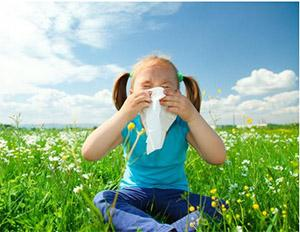
 If you have kids, you would know that kids are magnets for colds. But when the “cold” won’t go away for weeks, you may be dealing with a whole different culprit here and that’s allergies. According to the National Institute of Allergy and Infectious Diseases (NIAID), allergic rhinitis, also called hay fever, affects up to 40 percent of children while allergic diseases, which include asthma, are among the top 5 prevalent chronic diseases among children. Common symptoms include skin rashes or hives, difficulty breathing, sneezing, coughing, a runny, stuffy or itchy nose and watery eyes. Allergy symptoms can also be mild, moderate or severe.
What causes allergies in children?
Basically, children get allergies from coming into contact with allergens. Common allergens, which include elements that can be inhaled, eaten or that can come in contact with the skin, are:
- Pollens
- Mold
- Dust mites
- Animal dander
- Some foods and medicines
- Venom from insect stings
If you suspect your child has an allergy, make an appointment to see an allergist. There is no real cure for allergies, but it is possible to relieve symptoms. In the meantime, there are also things you can do at home to avoid common allergy triggers and help your child.
How can you help your child if your child has an allergic condition?
When it comes to preventing allergies, the most effective approach is to figure out what substances, airborne particles and other bio contaminants your child is allergic to. This is important to reduce complications because forget about swelling inside the throat, which can be life threatening for a child; even mild allergies can be very unpleasant and disrupt your child’s everyday life.
Having said that, of course some allergy triggers are easier to manage than others. When it comes to food allergies for instance, a guaranteed remedy is avoidance. Respiratory allergies, on the other hand, are more complex to deal with and may require serious lifestyle changes. For a start, you need to control indoor air quality. This can be achieved by observing the following guidelines.
- During the pollen season or when pollen counts are generally high, keep your windows closed.
- During humid seasons, run a dehumidifier. Your home humidity level should be between 25 – 40%.
- Keep your house mold free (both indoor and outdoor) and try to reduce dust mites as much as possible.
- If you have indoor plants or a furry friend, restrict the space they occupy in your home or get rid of them.
- The best flooring for people who suffer from allergies and asthma is carpet flooring because carpet acts like a filter, trapping allergens away from the breathing zone.
- The most common bedroom allergens are dust, mold and bedding. Avoid these by avoiding rubber pillows and mattresses. Remove dust-attracting items such as stuffed animals and items stored under the bed. Invest in a dust mite-proof cover for your child’s mattress.
- Use a domestic vacuum cleaner with a HEPA filtering system.
- Professional carpet cleaning is a must every 6-12 months depending on the level of traffic in your home.
- Professional carpet cleaning is a must every 6-12 months depending on the level of traffic in your home.
- Avoid cleaning with harsh chemicals. Use green certified and eco-friendly cleaning products safe for kids.
Providing a superior professional carpet cleaning service that’s drier, cleaner and healthier, Chem-Dry’s mission is to help people live healthier lives. This starts with keeping your home and carpet fresh and hygienic. For more information about our patented cleaning process and how it can help you control your indoor air quality, call us now on 416-916-0550.